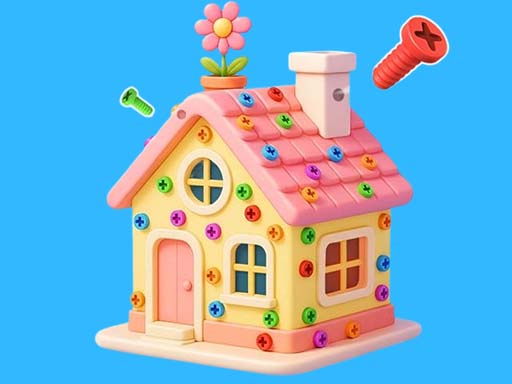
Using Screw Out 3D: Relax Unwind as a prompt for careful puzzle observation.
Treat the title as an invitation
Screw Out 3D: Relax Unwind advertises removing screws one at a time. Its short description also uses language about relaxing and taking a break. That is promotional framing, not a reason to promise a particular personal effect. You can choose a slower pace simply because you prefer it. There is no need to turn a browser puzzle into a claim about how everybody will feel after playing.
The useful mechanical detail is smaller: a removal is an individual action. That suggests paying attention to the state before and after it. The listing does not explain a complete set of supports, layers or failure conditions. Before planning several moves ahead, look for the game's own explanation of what a screw holds and what a valid removal changes.
Compare before and after
Suppose an interface presents several possible removals. Before choosing one, identify a visible feature you expect to change. After the action, compare that feature with its earlier state. You might be checking whether an item moved or an opening became available. These are hypothetical observations, not a description of verified levels or a hidden rule in this game.
This method has a practical advantage: it gives a reason for the next action. Repeated taps without looking can make an unfamiliar state harder to understand. A short pause lets you tell a delayed animation from a missing response. If the game offers an undo or restart control, read its label before relying on it; the supplied listing does not establish that either control is available inside the game.
Let the puzzle set the vocabulary
Mouse/Touch identifies broad input methods but does not tell you whether a tap selects, removes or confirms. Use the interface's labels to name those actions. Once you know the difference between selecting an object and committing a move, it becomes easier to avoid treating every touch as an irreversible step.
A dated selection on this website does not reset the underlying puzzle or promise a fresh level. It simply helps you return to the listing. If you leave with one clear observation about an action and its result, you have a more useful starting point than a guessed list of solutions. If the external game remains unclear or unavailable, stopping and browsing another title is a valid end to the visit.